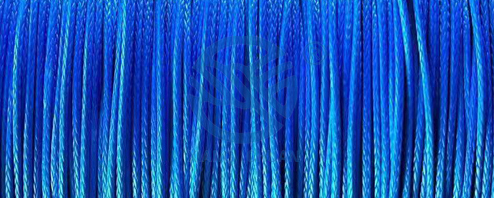
Ekor Tambatan, sebagai komponen penting dari sistem tambatan laut, berfungsi sebagai sambungan fleksibel antara Tali Tambatan dan kapal atau struktur lepas pantai, menyerap beban dinamis dari gelombang, angin, dan arus untuk memastikan stabilitas dan keselamatan operasional. Dengan pesatnya perluasan aktivitas maritim ke laut dalam dan lingkungan yang keras—seperti ladang angin lepas pantai, anjungan minyak dan gas laut dalam, dan pelayaran kutub—bahan tambat tradisional seperti baja dan serat sintetis konvensional semakin tidak mampu memenuhi tuntutan akan kekuatan tinggi, ringan, tahan korosi, dan masa pakai yang lama. Dalam beberapa tahun terakhir, terobosan dalam ilmu material telah mendorong gelombang inovasi dalam material mooring tail, merevolusi kinerja dan cakupan aplikasinya. Artikel ini secara sistematis mengeksplorasi inovasi material terbaru pada mooring tail modern, menganalisis karakteristik teknisnya, skenario penerapan, dan kontribusinya terhadap industri maritim, dengan fokus pada serat sintetis berkinerja tinggi, material komposit canggih, dan material modifikasi fungsional.
1. Serat Sintetis Berkinerja Tinggi: Inti dari Inovasi Ringan dan Berkekuatan Tinggi
Kemajuan paling signifikan dalam material mooring tail terletak pada pengembangan dan penerapan serat sintetis berkinerja tinggi, yang secara bertahap menggantikan baja tradisional dan serat sintetis biasa (misalnya poliester, poliamida) karena rasio kekuatan terhadap beratnya yang unggul, ketahanan terhadap korosi, dan ketahanan lelah. Inovasi terbaru di bidang ini berfokus pada optimalisasi struktur serat dan memperluas jangkauan bahan yang dapat digunakan.
1.1 Serat Polietilen dengan Berat Molekul Ultra Tinggi (UHMWPE).
Serat UHMWPE telah menjadi bahan utama untuk mooring tail berperforma tinggi, berkat sifat mekaniknya yang luar biasa. Serat UHMWPE generasi terbaru, diwakili oleh produk dari produsen seperti Six Brothers Rope Industry Tiongkok, menawarkan kekuatan yang sebanding dengan kabel baja dengan diameter yang sama namun beratnya hanya 1/7 baja. Karakteristik ringan ini secara signifikan mengurangi beban pada sistem tambatan dan menyederhanakan operasi pemasangan dan pemeliharaan. Selain itu, serat UHMWPE menunjukkan ketahanan yang sangat baik terhadap korosi air laut, asam, dan alkali, mempertahankan kinerja yang stabil bahkan setelah direndam dalam jangka waktu lama di lingkungan laut yang keras. Aplikasi umumnya adalah sistem tambatan platform produksi semi-submersible laut dalam "Laut Dalam No. 1" di Tiongkok, di mana ekor tambatan berbasis UHMWPE berkontribusi pada pengoperasian platform yang stabil pada kedalaman lebih dari 1.000 meter, dengan masa pakai yang dirancang selama 30 tahun. Peningkatan teknologi terkini semakin meningkatkan ketahanan mulur dan ketahanan aus serat UHMWPE, mengatasi keterbatasan tradisional berupa stabilitas dimensi yang buruk di bawah beban jangka panjang, sehingga lebih cocok untuk skenario tambatan di laut dalam.
1.2 Serat Polioksimetilen (POM) Skala Mikro Kekuatan Tinggi
Inovasi terobosan dalam beberapa tahun terakhir adalah industrialisasi serat berkekuatan tinggi POM skala mikro, yang juga dikenal sebagai "Tunglon" yang dikembangkan oleh Kailuan Group Tiongkok. Serat-serat ini, dengan diameter filamen tunggal 20-30 mikron (1/3 ketebalan rambut manusia), menunjukkan kombinasi sifat yang unik: kekakuan tinggi, pelumasan sendiri, tahan air laut, tahan pelarut, serta tahan lelah dan mulur yang sangat baik. Dengan kepadatan 1/5 kepadatan baja, serat berkekuatan tinggi POM mencapai keseimbangan ideal antara berat dan kekuatan, menjadikannya "alternatif plastik pengganti baja" yang menjanjikan untuk tambatan ekor. Serat berkekuatan tinggi POM generasi ketiga memiliki indeks kekuatan stabil lebih dari 1200 MPa dan pengurangan konsumsi energi sebesar 20% dibandingkan nilai desain, yang mencerminkan tren manufaktur ramah lingkungan. Serat ini sangat cocok untuk aplikasi tambatan di laut dalam dan peternakan laut, karena ketahanannya terhadap kondisi laut yang keras dan masa pakai yang lama dapat mengurangi biaya pemeliharaan secara signifikan.
1.3 Serat Poliamida Aromatik Tahan Suhu Tinggi (PPTA).
Untuk skenario tambatan yang melibatkan suhu tinggi—seperti di dekat anjungan minyak dan gas lepas pantai atau tanggap darurat kebakaran—serat PPTA yang tahan suhu tinggi telah muncul sebagai inovasi utama. Tidak seperti serat sintetis konvensional yang terdegradasi pada suhu tinggi, serat PPTA mempertahankan sifat mekaniknya bahkan dalam suhu panas ekstrem. Mooring tail tahan api terbaru yang terbuat dari serat PPTA dapat mempertahankan tingkat retensi kekuatan lebih dari 90% setelah terpapar terus menerus pada suhu tinggi 750°C selama 1 jam. Inovasi ini sangat penting untuk operasi tambatan darurat selama kebakaran kapal, sehingga memberikan waktu respons yang berharga untuk keselamatan personel dan peralatan. Selain itu, serat PPTA menawarkan ketahanan yang sangat baik terhadap korosi kimia dan radiasi UV, sehingga cocok untuk tambatan ekor di lingkungan laut tropis di mana sinar matahari yang kuat dan semprotan garam sering terjadi.
2. Material Komposit Tingkat Lanjut: Peningkatan Sinergis pada Indikator Multi-Kinerja
Tren besar lainnya dalam inovasi material mooring tail adalah pengembangan material komposit canggih, yang menggabungkan material dasar dan aditif yang berbeda untuk mencapai efek sinergis yang tidak dapat ditandingi oleh material tunggal. Komposit terbaru berfokus pada pengintegrasian kekuatan tinggi, fleksibilitas, dan sifat fungsional untuk beradaptasi dengan lingkungan laut yang kompleks.
2.1 Komposit Serat Hibrid
Komposit serat hibrida, yang memadukan dua atau lebih serat berperforma tinggi, dirancang untuk mengatasi keterbatasan masing-masing bahan. Contoh umumnya adalah kombinasi serat UHMWPE (untuk kekuatan tinggi dan ringan) dengan serat poliester (PET) atau poliamida (PA) (untuk ketahanan aus dan elastisitas yang sangat baik) pada mooring tail. Struktur hibrida ini memastikan mooring tail memiliki kekuatan putus yang tinggi dan ketahanan abrasi yang baik, sehingga cocok untuk sistem mooring pengangkut LNG—skenario yang memerlukan keselamatan dan stabilitas karena tingginya risiko kebocoran dan ledakan gas alam cair. Komposit hibrida terbaru menggunakan teknik tenun canggih untuk mengoptimalkan distribusi serat, sehingga lebih meningkatkan distribusi beban dan mengurangi konsentrasi tekanan lokal. Misalnya, mooring tail yang digunakan pada kapal pengangkut LNG menggabungkan UHMWPE sebagai bahan inti dengan serat PET sebagai lapisan luar, sehingga mencapai keseimbangan antara kekuatan, fleksibilitas, dan daya tahan.
2.2 Komposit Fiber-Reinforced Polymer (FRP).
Komposit polimer yang diperkuat serat, khususnya polimer yang diperkuat serat karbon (CFRP), telah mendapat perhatian dalam aplikasi mooring tail kelas atas. Serat karbon menawarkan kekuatan dan modulus yang sangat tinggi, sedangkan matriks polimer (misalnya resin epoksi) memberikan ketahanan terhadap korosi yang sangat baik. Ekor tambatan CFRP secara signifikan lebih ringan daripada baja dan bahkan ekor berbasis UHMWPE, menjadikannya ideal untuk struktur lepas pantai perairan dalam di mana pengurangan berat sangat penting. Meskipun saat ini lebih mahal, kemajuan teknologi yang sedang berlangsung telah mengurangi biaya produksi, memperluas penerapannya di ladang angin lepas pantai dan anjungan minyak laut dalam. Ekor tambatan CFRP terbaru menggabungkan aditif nano dalam matriks polimer untuk meningkatkan kekuatan geser interlaminar dan ketahanan benturan, mengatasi masalah kerapuhan tradisional bahan FRP. Komposit ini juga menunjukkan ketahanan lelah yang sangat baik, dengan masa pakai diperkirakan melebihi 25 tahun di lingkungan laut dalam.
3. Bahan Modifikasi Fungsional: Memenuhi Permintaan Lingkungan dan Operasional Khusus
Untuk beradaptasi dengan kondisi operasi laut yang semakin beragam dan keras, mooring tail modern menggabungkan material modifikasi fungsional yang meningkatkan sifat spesifik seperti penghambat api, aktivitas antimikroba, dan kemampuan sensor beban. Inovasi-inovasi ini memperluas cakupan penerapan mooring tail dan meningkatkan keselamatan operasional.
3.1 Bahan Modifikasi Tahan Api
Selain serat PPTA, inovasi terkini dalam bahan tahan api mencakup modifikasi serat sintetis tradisional dengan bahan tahan api bebas halogen. Modifikasi ini memastikan bahwa mooring tail memenuhi standar keselamatan kebakaran laut yang ketat tanpa mengurangi sifat mekanik. Misalnya, serat UHMWPE tahan api diproduksi dengan menambahkan nano-magnesium hidroksida atau aluminium hidroksida selama proses pemintalan serat, sehingga mencapai peringkat tahan api V-0 dengan tetap mempertahankan kekuatan tinggi. Ekor tambatan tahan api ini banyak digunakan di anjungan minyak lepas pantai, terminal LNG, dan kapal yang beroperasi di zona risiko kebakaran tinggi, sehingga mengurangi penyebaran api dan meminimalkan kerusakan properti.
3.2 Bahan Antimikroba dan Anti-Fouling
Biofouling di laut (misalnya teritip, alga) dan korosi mikroba dapat secara signifikan mengurangi masa pakai mooring tail. Inovasi terbaru di bidang ini adalah pengembangan bahan mooring tail yang antimikroba dan anti-fouling, yang menggabungkan bahan antimikroba ramah lingkungan (misalnya nanopartikel perak, garam amonium kuaterner) ke dalam serat atau pelapis. Agen ini menghambat pertumbuhan mikroorganisme dan mencegah biofouling, menjaga sifat mekanik material dan mengurangi frekuensi perawatan. Misalnya, serat POM berkekuatan tinggi, dengan ketahanan bawaannya terhadap air laut dan mikroorganisme, dimodifikasi lebih lanjut dengan aditif antimikroba untuk meningkatkan kinerja anti-fouling, sehingga cocok untuk perendaman jangka panjang di lingkungan laut tropis di mana biofouling sangat parah.
3.3 Material Cerdas dengan Kemampuan Penginderaan
Integrasi material pintar ke dalam mooring tail mewakili inovasi mutakhir, memungkinkan pemantauan muatan, kelelahan, dan kerusakan secara real-time. Ekor tambatan pintar terbaru menanamkan sensor serat optik atau bahan polimer konduktif di dalam struktur serat. Sensor serat optik dapat mendeteksi perubahan regangan dan suhu dengan presisi tinggi, memberikan data real-time mengenai status operasional mooring tail. Bahan polimer konduktif, sebaliknya, mengubah hambatan listriknya ketika terkena tekanan mekanis atau kerusakan, sehingga memicu sinyal peringatan dini. Ekor tambatan yang cerdas ini sangat berharga untuk struktur lepas pantai perairan dalam dan ladang angin lepas pantai, di mana pemeriksaan manual secara rutin sulit dilakukan dan mahal. Misalnya, mooring tail komunikasi fotolistrik terintegrasi tidak hanya melakukan fungsi tambatan dan penarik tetapi juga mengirimkan data pemantauan, memungkinkan manajemen jarak jauh dan pemeliharaan prediktif.
4. Dampak Penerapan dan Signifikansi Industri dari Inovasi Material
Inovasi material terbaru pada mooring tail telah memberikan dampak besar pada industri maritim, mengatasi tantangan utama dalam pengembangan laut dalam, eksploitasi energi lepas pantai, dan operasi kelautan yang berisiko tinggi.
Dalam eksplorasi minyak dan gas laut dalam, material seperti serat berkekuatan tinggi UHMWPE dan POM telah memungkinkan pembangunan sistem tambatan untuk anjungan laut dalam seperti "Laut Dalam No. 1", yang mematahkan monopoli jangka panjang perusahaan Eropa dan Amerika dalam teknologi tambatan laut dalam. Kekuatan tinggi dan ketahanan terhadap korosi dari material ini memastikan stabilitas platform yang beroperasi pada kedalaman melebihi 1.500 meter, mendukung pengembangan sumber daya minyak dan gas lepas pantai.
Di sektor energi angin lepas pantai, ekor tambatan komposit yang ringan dan berkekuatan tinggi mengurangi beban pada fondasi turbin angin, sehingga menurunkan biaya konstruksi dan pemasangan. Ketahanan terhadap kelelahan yang sangat baik juga memastikan operasi stabil jangka panjang di lingkungan laut yang keras, mendorong pengembangan ladang angin lepas pantai di wilayah laut dalam.
Untuk skenario pelayaran khusus seperti navigasi kutub dan transportasi LNG, material mooring tail yang tahan api dan tahan suhu rendah meningkatkan keselamatan operasional. Misalnya, mooring tail yang terbuat dari serat PPTA yang dimodifikasi dapat menahan suhu sangat rendah di wilayah kutub dengan tetap menjaga fleksibilitas dan kekuatan, sehingga memungkinkan navigasi yang aman di perairan es.
5. Tren dan Tantangan Perkembangan Masa Depan
Ke depan, pengembangan material mooring tail akan fokus pada tiga arah utama: peningkatan kinerja lebih lanjut, pengurangan biaya, dan peningkatan kecerdasan. Pertama, para peneliti akan terus mengoptimalkan struktur serat dan komposit berkinerja tinggi, yang bertujuan untuk mencapai kekuatan yang lebih tinggi, ketahanan mulur yang lebih baik, dan masa pakai yang lebih lama. Misalnya, pengembangan serat UHMWPE yang dimodifikasi nano diharapkan dapat lebih meningkatkan ketahanan aus dan stabilitas dimensinya.
Kedua, pengurangan biaya akan menjadi pendorong utama penerapannya secara luas. Saat ini, material berkinerja tinggi seperti UHMWPE dan CFRP relatif mahal, sehingga membatasi penggunaannya di perusahaan maritim skala kecil dan menengah. Inovasi masa depan akan fokus pada optimalisasi proses produksi, seperti industrialisasi serat berkekuatan tinggi POM, untuk mengurangi biaya produksi dan memperluas penetrasi pasar.
Terakhir, integrasi teknologi pintar akan diperdalam. Ekor tambatan di masa depan mungkin dilengkapi sensor dan modul komunikasi yang lebih canggih, memungkinkan pemantauan berbagai parameter secara real-time seperti beban, suhu, dan korosi. Kombinasi material cerdas dengan data besar dan kecerdasan buatan juga akan mewujudkan pemeliharaan prediktif, sehingga semakin meningkatkan keselamatan dan keandalan sistem tambatan.
Namun demikian, tantangan masih ada, termasuk kebutuhan untuk menetapkan standar kinerja material terpadu untuk material mooring tail baru, serta meningkatkan kompatibilitas antara material baru dan sistem mooring yang ada. Selain itu, pengujian kinerja jangka panjang di lingkungan laut yang keras sangat penting untuk memverifikasi ketahanan dan keandalan material baru.
Kesimpulan
Inovasi material terbaru pada mooring tail modern, yang diwakili oleh serat sintetis berkinerja tinggi (UHMWPE, POM), komposit canggih (serat hibrida, CFRP), dan material modifikasi fungsional (tahan api, penginderaan cerdas), telah meningkatkan kinerja dan cakupan aplikasi mooring tail secara signifikan. Inovasi-inovasi ini tidak hanya mengatasi hambatan teknis material tradisional di laut dalam dan lingkungan yang keras, namun juga mendorong pembangunan berkelanjutan industri maritim, mendukung perluasan energi lepas pantai, sumber daya laut dalam, dan pelayaran global. Seiring dengan kemajuan ilmu material, mooring tail di masa depan akan lebih ringan, berkekuatan tinggi, tahan lama, dan cerdas, sehingga memainkan peran yang semakin penting dalam memastikan keselamatan dan efisiensi operasional maritim. Bagi perusahaan dan peneliti maritim, memanfaatkan inovasi material ini dan mengatasi tantangan yang ada akan menjadi kunci untuk membuka kemungkinan-kemungkinan baru dalam pengembangan kelautan dan mempertahankan keunggulan kompetitif dalam industri maritim global.

 English
 Español
 Portugues
 Pусский
 Français
 Deutsch
 日本語
日本語
 한국어
한국어
 العربية
 Italian
 Nederlands
 Ελληνικά
 Svenska
 Polski
 ไทย
ไทย
 Turkish
 हिन्दी
 Melayu
 Tiếng Việt
 dansk
dansk
 Magyar
 বাংলা
বাংলা
 čeština
 Soomaali
 မြန်မာ
 فارسی
فارسی
 українська
 norsk
norsk
 Gaeilge
 беларускі
 Română
 ພາສາລາວ
 Filipino
 lietuvių
 Cymraeg
 Suomalainen
 o'zbek
 اردو
اردو
 հայերեն
 سنڌي
سنڌي
 Hrvatski
 íslenskur
 galego
 català
 Zulu South Africa
 ಕನ್ನಡ
ಕನ್ನಡ
 Indonésia Sunda
 Кыргызча
 тоҷикӣ
 Србија
 Hawaii
 नेपाल
नेपाल
 euskara
 latvija
 پښتو
پښتو
 საქართველოს
 bosna
bosna
 Eesti
Eesti
 Azerbaijani
 Shqipëria
 Malta
Malta
 Kikongo
 Eʋegbe
 Fiji
Fiji
 Tonga
Tonga
 中文站
中文站

 +86-514-88253368



 Telepon
Komentar
(0)