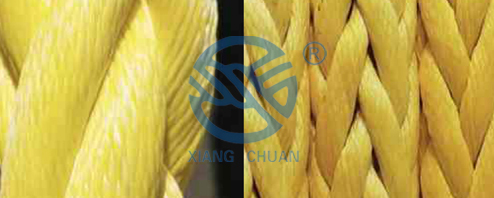
Sebagai komponen inti sistem tambatan laut, Ekor Tambatan bertugas menyerap beban kejut, mendistribusikan ketegangan, dan melindungi kapal dan struktur lepas pantai dari kekuatan ekstrem. Dengan pesatnya kemajuan dalam pengembangan minyak dan gas lepas pantai, tenaga angin terapung, dan operasi laut dalam, permintaan akan mooring tail di lingkungan yang sulit seperti perairan dalam, angin kencang, dan kondisi korosif menjadi semakin ketat. Dalam beberapa tahun terakhir, didorong oleh ilmu material, teknologi cerdas, dan inovasi rekayasa struktural, desain mooring tail telah mencapai terobosan dalam optimalisasi material, peningkatan struktural, peningkatan cerdas, dan adaptasi lingkungan. Artikel ini mengeksplorasi inovasi terbaru dalam desain mooring tail, mengungkapkan bagaimana kemajuan ini meningkatkan keselamatan operasional, efisiensi, dan daya tahan.
1. Inovasi Material: Komposit Berkinerja Tinggi dan Serat Fungsional
Peningkatan material adalah landasan inovasi desain mooring tail, dengan fokus pada keseimbangan kekuatan, berat, ketahanan terhadap korosi, dan daya tahan. Ekor tambatan baja tradisional secara bertahap digantikan oleh komposit serat sintetis berkinerja tinggi karena kelemahan bawaannya yaitu bobot yang berat, mudah korosi, dan biaya perawatan yang tinggi. Inovasi terkini di bidang ini terletak pada pengembangan material serat hibrida dan modifikasi yang difungsikan.
Serat polietilen dengan berat molekul sangat tinggi (HMPE) telah menjadi bahan utama untuk mooring tail yang canggih, namun desain terkini telah mengambil langkah lebih jauh dengan menggabungkannya dengan poliester berkekuatan tinggi dan benang X2 khusus. X2 Ultra Tails dari Garware Technical Fibres, misalnya, mengadopsi struktur serat komposit dengan rasio tertentu, yang secara signifikan mengurangi masalah penarikan kumparan dan meningkatkan ketahanan terhadap abrasi. Mooring tail tipe tenggelam ini memiliki rasio kekuatan terhadap berat yang dioptimalkan, memungkinkannya menahan angin kencang dan operasi tambatan atau penarik yang keras. Dibandingkan dengan kabel baja tradisional dengan diameter yang sama, mooring tail komposit berbasis HMPE menawarkan kekuatan yang setara namun hanya 1/7 bobotnya, sekaligus menunjukkan ketahanan yang sangat baik terhadap lingkungan korosi dan asam-basa, memastikan kinerja yang stabil selama perendaman jangka panjang dalam air laut.
Modifikasi serat fungsional juga mengalami kemajuan penting. Ekor tambatan tahan api yang dirancang untuk skenario darurat menggunakan serat sintetis tahan suhu tinggi yang mempertahankan lebih dari 90% kekuatannya bahkan setelah 1 jam terpapar terus menerus pada suhu tinggi 750°C. Inovasi ini memberikan waktu yang berharga untuk tanggap darurat jika terjadi kebakaran kapal. Untuk aplikasi laut dalam, mooring tail domestik yang digunakan dalam platform semi-submersible "Laut Dalam No. 1", dengan diameter hanya 270 mm, dapat menahan gaya tarik 2.300 ton dan dirancang untuk layanan berkelanjutan selama 30 tahun di laut dalam, sebagai garis keselamatan untuk operasi pengeboran jangka panjang.
2. Terobosan Desain Struktural: Optimasi Bionik dan Terintegrasi
Inovasi desain struktural berfokus pada peningkatan distribusi beban, penyerapan guncangan, dan kompatibilitas dengan sistem tambatan, beralih dari struktur untai tunggal atau multi-untai tradisional ke desain bionik dan terintegrasi.
Inovasi struktural perintis adalah rantai tekstil yang terinspirasi dari strip Möbius yang dirancang untuk turbin angin terapung. Dikembangkan di bawah proyek Velella Perancis, struktur ini menggantikan rantai baja tradisional dengan serat tenunan HMPE, mengatasi ketahanan oksidasi baja yang buruk dan masalah bobot yang tinggi sekaligus menghilangkan masalah abrasi yang terkait dengan tali polimer dalam sistem winch. Struktur bengkok unik dari desain Möbius menunjukkan efek rasio Poisson negatif, sehingga meningkatkan stabilitas mekanis di bawah tekanan. Model elemen hingga digunakan untuk mengoptimalkan parameter belitan, meningkatkan perilaku kontak antar tautan, dan kinerja mekanis secara keseluruhan. Inovasi ini sangat penting karena kegagalan rantai menyebabkan sekitar setengah dari seluruh kegagalan sistem tambatan permanen, sehingga menjadikan rantai tekstil sebagai alternatif yang dapat diandalkan.
Optimalisasi struktural lainnya adalah desain terapung 8-untai dari Maxi Gold Super Tails Garware, yang memberikan kemampuan penyerapan guncangan dan pembuangan energi yang luar biasa dalam sistem tambatan. Mooring tail bersertifikat MEG-4 ini, tersedia dalam panjang 11m dan 22m, memiliki struktur seimbang yang secara efektif mengurangi beban dampak dari gelombang dan arus. Selain itu, aksesori anti-abrasi seperti penutup chaffing Moor Shield telah dikembangkan untuk melengkapi desain struktural, memberikan lapisan perlindungan ekstra terhadap keausan tali selama pengoperasian.
3. Peningkatan Cerdas: Manajemen Siklus Hidup Digital dan Pemantauan Waktu Nyata
Integrasi teknologi cerdas membentuk kembali desain mooring tail, mengubahnya dari komponen penahan beban pasif menjadi perangkat "pintar" dengan pemantauan real-time dan kemampuan manajemen digital.
Manajemen identitas digital telah menjadi fitur standar di mooring tail tingkat lanjut. Dengan menyematkan tag cerdas, setiap ekor tambatan diberi "ID digital" unik yang mencatat seluruh siklus hidupnya mulai dari produksi hingga penggunaan. Operator dapat mengakses informasi penting seperti batch produksi, catatan pemeliharaan, dan masa pakai dengan pemindaian sederhana, memungkinkan manajemen yang dapat dilacak dan terstandarisasi. Generasi berikutnya dari mooring tail yang cerdas akan mengintegrasikan sensor tertanam untuk memantau tegangan, kerusakan struktural, dan status kelelahan secara real-time, memberikan peringatan pemeliharaan prediktif dan menghilangkan kebutuhan akan inspeksi manual.
Integrasi dengan sistem tambatan cerdas semakin meningkatkan efisiensi operasional. Sistem pemantauan cerdas "Haiwei", yang dikembangkan secara independen di Tiongkok, mengadopsi solusi inovatif "kapal tak berawak + ARV (Autonomous Remotely Operated Vehicle)". Meskipun terutama digunakan untuk pemantauan pipa bawah laut, teknologi intinya—termasuk penentuan posisi presisi tinggi, komunikasi optik bawah air, dan analisis data cerdas—dapat diintegrasikan dengan mooring tail untuk memungkinkan pemantauan real-time terhadap status kerjanya di perairan dalam. Sistem kamera definisi tinggi dan algoritme pembelajaran mendalam ARV mencapai akurasi pemantauan tingkat sentimeter, secara otomatis mengidentifikasi distribusi beban dan anomali struktural pada ekor tambatan dan mengirimkan data ke pusat komando melalui teknologi komunikasi optik nirkabel bawah air.
4. Inovasi Adaptasi Lingkungan: Kesesuaian dengan Kondisi Ekstrim
Ketika operasi kelautan meluas ke perairan yang lebih dalam, wilayah kutub, dan wilayah dengan rentang pasang surut yang besar, desain mooring tail telah berevolusi untuk beradaptasi dengan kondisi lingkungan ekstrem, dengan fokus pada ketahanan tekanan laut dalam, toleransi suhu rendah di kutub, dan adaptasi pasang surut.
Untuk lingkungan laut dalam, mooring tail dan aksesorinya menjalani pengujian ketahanan tekanan tinggi yang ketat untuk memastikan kinerja yang andal pada kedalaman 1500 meter atau lebih. Komponen ARV pada sistem "Haiwei", misalnya, dilengkapi komponen utama yang tahan tekanan dan tahan terhadap kondisi laut dalam, dengan akurasi pengenalan titik kontak dasar laut sebesar 95%, memimpin industri. Untuk wilayah kutub, bahan tahan suhu rendah digunakan untuk mencegah kerapuhan, sementara desain struktural dioptimalkan untuk menghindari akumulasi es dan kerusakan akibat es.
Di daerah dengan rentang pasang surut yang besar, inovasi struktural tambahan melengkapi desain mooring tail. Penarikan kabel dermaga yang dikembangkan oleh Depot Minyak Linhai Sinopec mengatasi tantangan penyesuaian kabel manual di lingkungan seperti itu. Dengan menambahkan braket untuk menaikkan drum, mengoptimalkan rasio transmisi, dan merancang perangkat pemandu khusus, tugger memastikan penarikan dan perpanjangan kabel secara teratur, menghindari kekusutan dan meningkatkan efisiensi pengoperasian. Dilengkapi dengan mekanisme peralihan darurat, alat ini mempertahankan tambatan yang stabil bahkan dalam perubahan angin dan gelombang yang tiba-tiba, sehingga mengurangi risiko operasional dan membebaskan operator dari pekerjaan manual yang berat.
5. Tren Masa Depan dan Dampak Industri
Inovasi terbaru dalam desain mooring tail mendorong perubahan paradigma dalam sistem tambatan laut, dengan tren masa depan yang berfokus pada integrasi multi-fungsi, daur ulang material, dan integrasi sistem cerdas. Para peneliti sedang menjajaki integrasi fungsi pemanenan energi ke dalam mooring tail, yang memungkinkan mereka mengubah energi gelombang menjadi tenaga listrik untuk memasok sensor tertanam dan perangkat pemantauan. Serat sintetis yang dapat terbiodegradasi juga sedang dikembangkan untuk mengurangi dampak lingkungan setelah digunakan.
Inovasi-inovasi ini mempunyai dampak luas terhadap industri kelautan. Hal ini tidak hanya meningkatkan keselamatan dan keandalan sistem tambatan minyak dan gas laut dalam, tenaga angin terapung, dan penelitian ilmiah kelautan, tetapi juga mengurangi biaya operasional. Penggantian baja dengan material komposit menurunkan biaya perawatan yang terkait dengan korosi, sementara pemantauan cerdas mengurangi risiko kegagalan dan waktu henti yang tidak terduga. Untuk proyek energi terbarukan lepas pantai, mooring tail yang ringan dan tahan lama mendukung penerapan turbin angin terapung dalam skala besar, sehingga mendorong pengembangan energi laut yang ramah lingkungan.
Kesimpulannya, inovasi terbaru dalam desain mooring tail mencakup ilmu material, teknik struktural, dan teknologi cerdas, yang menjawab tuntutan yang terus berkembang dalam operasi kelautan modern. Dari komposit berperforma tinggi dan struktur bionik hingga pemantauan digital dan adaptasi lingkungan ekstrem, kemajuan ini meningkatkan kinerja dan fungsionalitas mooring tail. Seiring dengan semakin meluasnya eksplorasi kelautan ke perairan yang belum dipetakan, desain mooring tail akan terus berkembang, sehingga memainkan peran yang semakin penting dalam memastikan keselamatan, efisiensi, dan keberlanjutan operasi kelautan.

 English
 Español
 Portugues
 Pусский
 Français
 Deutsch
 日本語
日本語
 한국어
한국어
 العربية
 Italian
 Nederlands
 Ελληνικά
 Svenska
 Polski
 ไทย
ไทย
 Turkish
 हिन्दी
 Melayu
 Tiếng Việt
 dansk
dansk
 Magyar
 বাংলা
বাংলা
 čeština
 Soomaali
 မြန်မာ
 فارسی
فارسی
 українська
 norsk
norsk
 Gaeilge
 беларускі
 Română
 ພາສາລາວ
 Filipino
 lietuvių
 Cymraeg
 Suomalainen
 o'zbek
 اردو
اردو
 հայերեն
 سنڌي
سنڌي
 Hrvatski
 íslenskur
 galego
 català
 Zulu South Africa
 ಕನ್ನಡ
ಕನ್ನಡ
 Indonésia Sunda
 Кыргызча
 тоҷикӣ
 Србија
 Hawaii
 नेपाल
नेपाल
 euskara
 latvija
 پښتو
پښتو
 საქართველოს
 bosna
bosna
 Eesti
Eesti
 Azerbaijani
 Shqipëria
 Malta
Malta
 Kikongo
 Eʋegbe
 Fiji
Fiji
 Tonga
Tonga
 中文站
中文站

 +86-514-88253368



 Telepon
Komentar
(0)